Wellness & preventive care

Wellness and Preventive Care for Dogs and Cats in Poulsbo

Your pet seems perfectly healthy, so what's the point of a checkup?

An alert black and tan dog sitting outdoors among green garden foliage, looking toward the camera
Room for the conversation.

Dogs and cats are remarkably good at hiding illness. It's an instinct that comes from their ancestors, and by the time an animal is visibly sick, the problem has usually been building for a while. Cats are especially good at it. A lot of what we find at a wellness exam is something the family had no way of noticing at home.

We're looking for problems early, while they're small, still treatable, and far easier on your pet and your budget. And along the way we're learning what healthy looks like for your particular animal, so that when something shifts a year or two from now, we have something to compare it against.

The best possible outcome is that we find nothing at all.

More than a checkup

A lot happens during a wellness exam that isn't obvious from the other side of the table.

During the exam we're feeling for lumps and for changes in the abdomen, listening to the heart for a murmur or a rhythm that has changed, checking joints and muscle for the stiffness families often read as simply slowing down, looking at eyes, ears, skin, and coat, and opening the mouth, where a surprising share of the real findings live. We track weight against last visit, because weight is often the earliest signal that something is moving in the wrong direction.

Just as important is the conversation. We talk through behavior, nutrition, breed-related risks, and what dental care at home actually looks like for your pet.

This is also the appointment to bring the questions that never feel big enough to book on their own. Is it normal that she throws up once in a while? Why does he sneeze so much? Should I be feeding something different now that she's older? Bring all of it. A surprising number of those questions turn out to be the early edge of something worth knowing about, and this is the visit with room to talk about them.

Clifton Hollow is intentionally low-volume, so the appointment has room in it for that conversation.


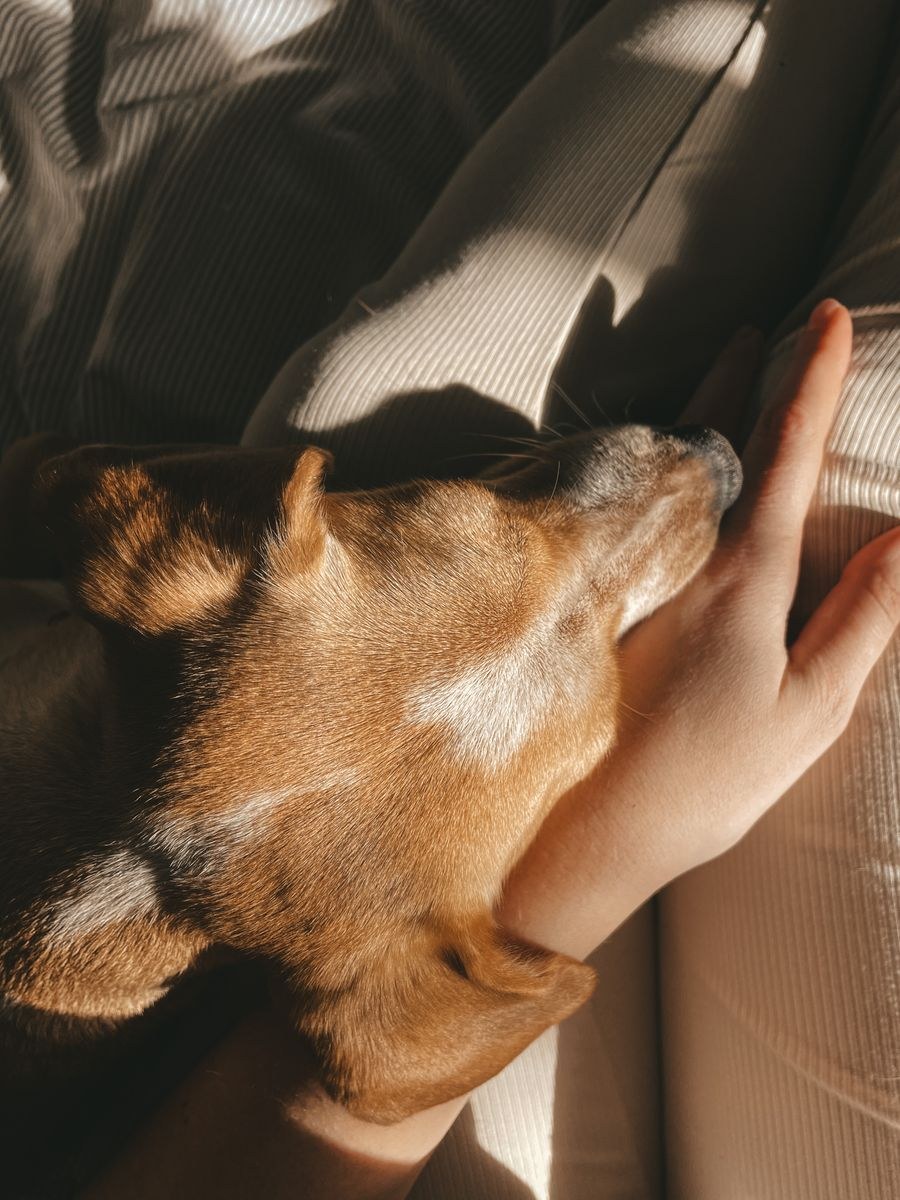
A tan and white dog resting its muzzle across an open hand in low afternoon sunlight

Care matched to your pet's stage of life

Every pet leaves with a plan built for them rather than a standard protocol.

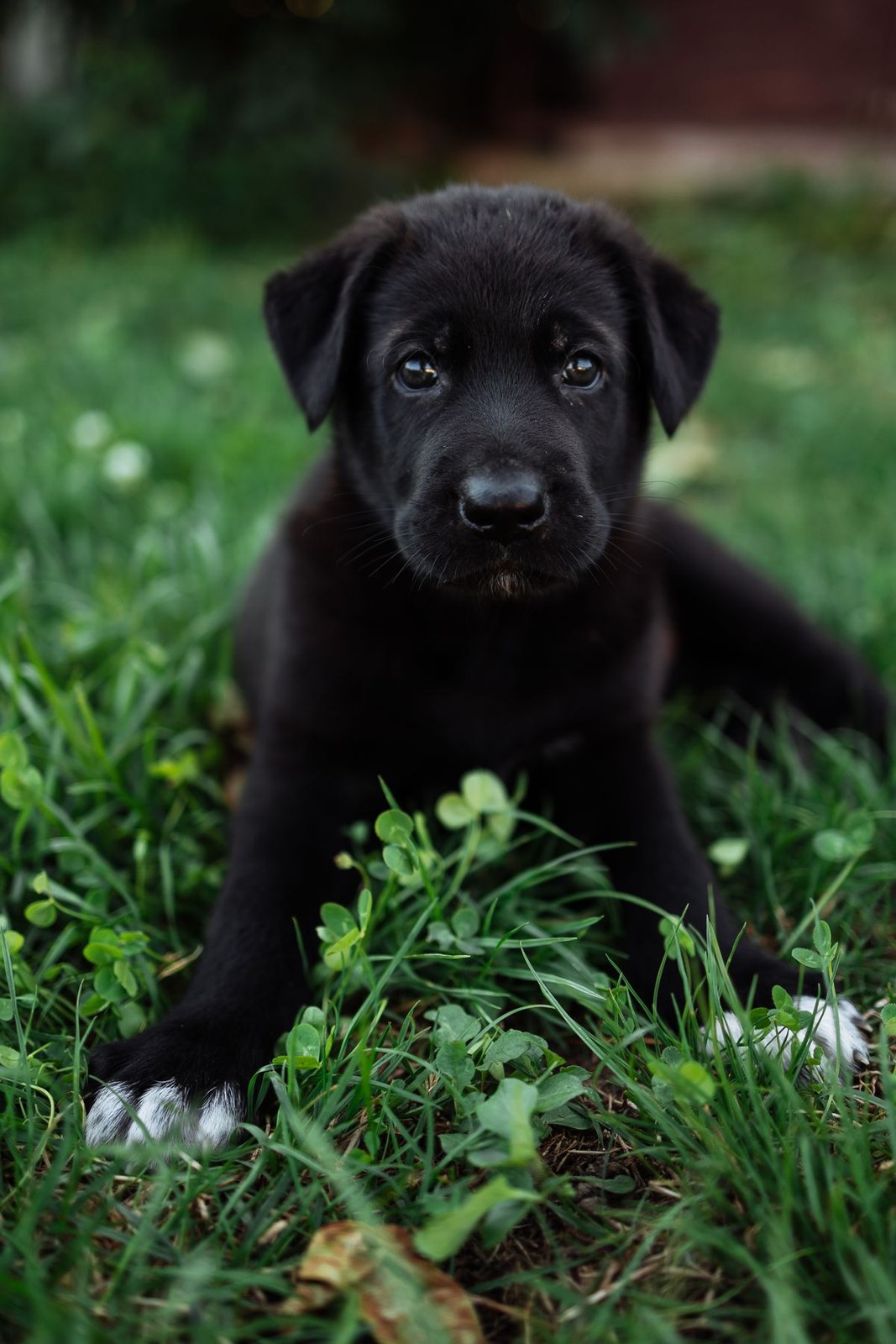
A black puppy with white paws lying in clover and grass, looking toward the camera
A silver tabby cat sitting upright and alert on a sunlit stone floor
A golden retriever standing in a sunlit open field at the end of the day

Puppies and kittens

The focus is a strong start: the core vaccine series, deworming and parasite protection, and the habits that shape the next decade, including socialization, handling, and early toothbrushing. We'll talk through timing for spay or neuter and microchipping along the way.

Adults

A thorough exam and a real conversation about anything that has changed. We build a bloodwork baseline while your pet is healthy, so that when a value moves later we can see the change rather than guess at it. Vaccines and parasite testing get updated based on how your pet actually lives.

Why we see pets twice a year

We recommend semi-annual exams rather than annual ones. A year is a long time in an animal that ages several years for each of ours.

Seen once a year, a middle-aged dog is examined roughly every seven of her years. A lot can happen in seven years.

Twice-yearly visits mean weight trends, dental disease, and early arthritis show up as a pattern instead of a surprise, and small changes get caught while they're still small.

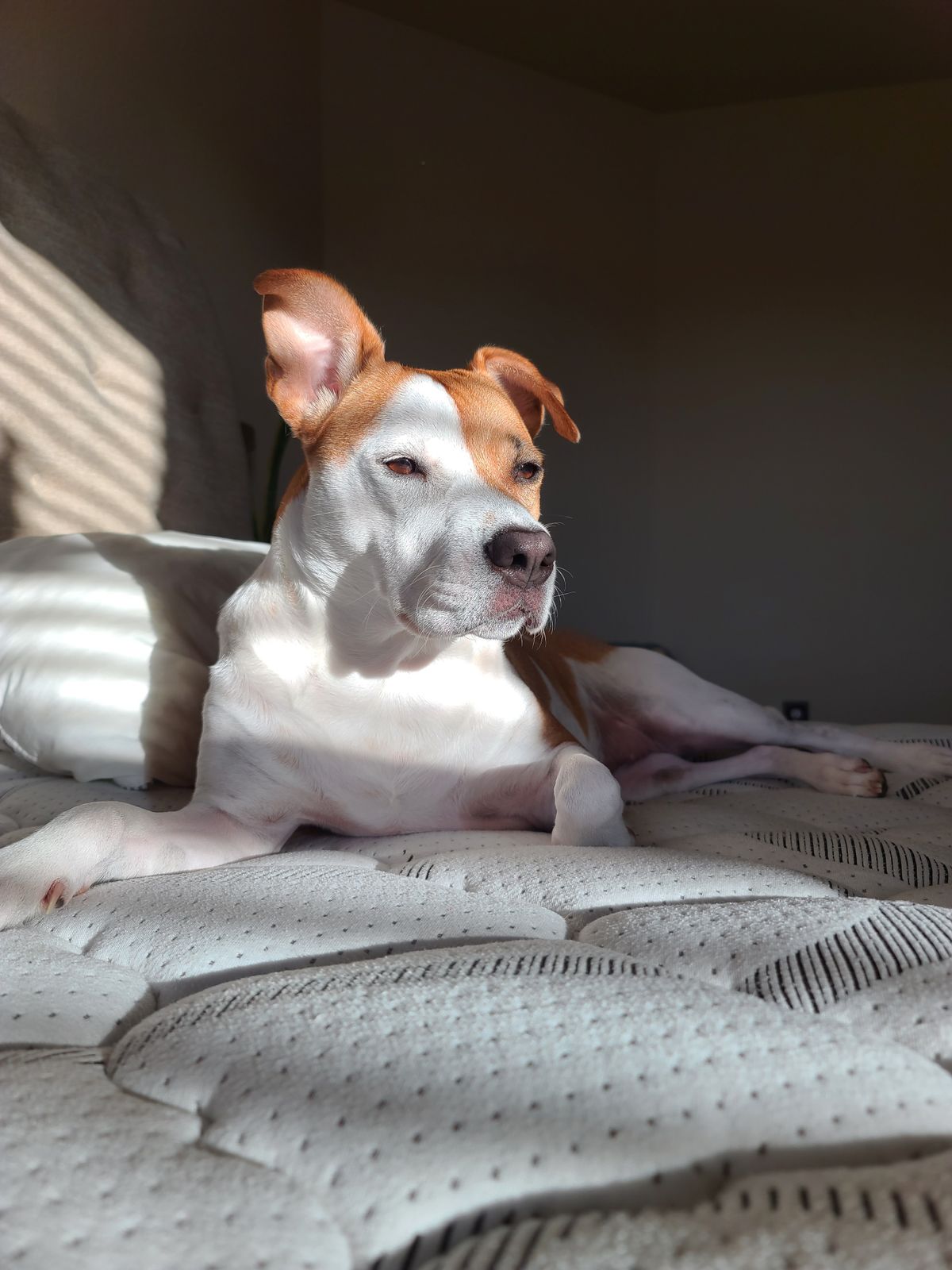
An adult tan and white dog lying calmly on a bed in a patch of morning window light

Vaccines, matched to your pet's life

Vaccines are the backbone of preventive care, and the right set depends on the pet.

Core vaccines for dogs are the combination vaccine covering distemper, adenovirus, parainfluenza, and parvovirus, along with rabies and leptospirosis.

Core vaccines for cats are FVRCP, which covers rhinotracheitis, calicivirus, and panleukopenia, along with rabies, plus feline leukemia for every kitten.

Beyond the core, we match the plan to your pet's actual life. A dog who boards, goes to daycare, visits the groomer, or spends time around other dogs may need kennel cough protection. An adult cat's feline leukemia recommendation depends on whether she goes outside or lives with cats who do. A senior cat who has never left the house needs a shorter list than a young one who patrols the yard.

If your pet has ever reacted to a vaccine, tell us before the next one. Reactions are uncommon and most are mild, but they're worth planning around. We can split vaccines across separate visits instead of giving them together, give medication beforehand to lower the odds of a reaction, and keep your pet with us for a while afterward to watch. If it happened at another practice, bring the records, because knowing which vaccine was involved changes what we do next time.

We'll tell you what we recommend, why, and make a plan to keep your pet protected together.

A fern-lined conifer trail in the damp coastal forest of western Washington

The parasite picture on the Kitsap Peninsula

Our corner of Washington has its own parasite profile, and some of it surprises people who moved here from drier places.

The wet, mild climate means fleas are a year-round consideration rather than a summer one, and standing water makes giardia a regular finding. Intestinal parasites are common enough that we screen for them routinely, and several of them can pass to people, young children especially. Ticks are present in parts of western Washington, and heartworm, while less common here than in much of the country, is always a risk.

We'll build prevention around where your pet actually goes and what they actually do, which is far easier and less expensive than treating an infestation or an infection after it takes hold.

The case for it

Why preventive care is worth it

Preventive care is also the most affordable care, because nearly everything is cheaper and gentler to prevent, or to catch early, than to treat once it's advanced.

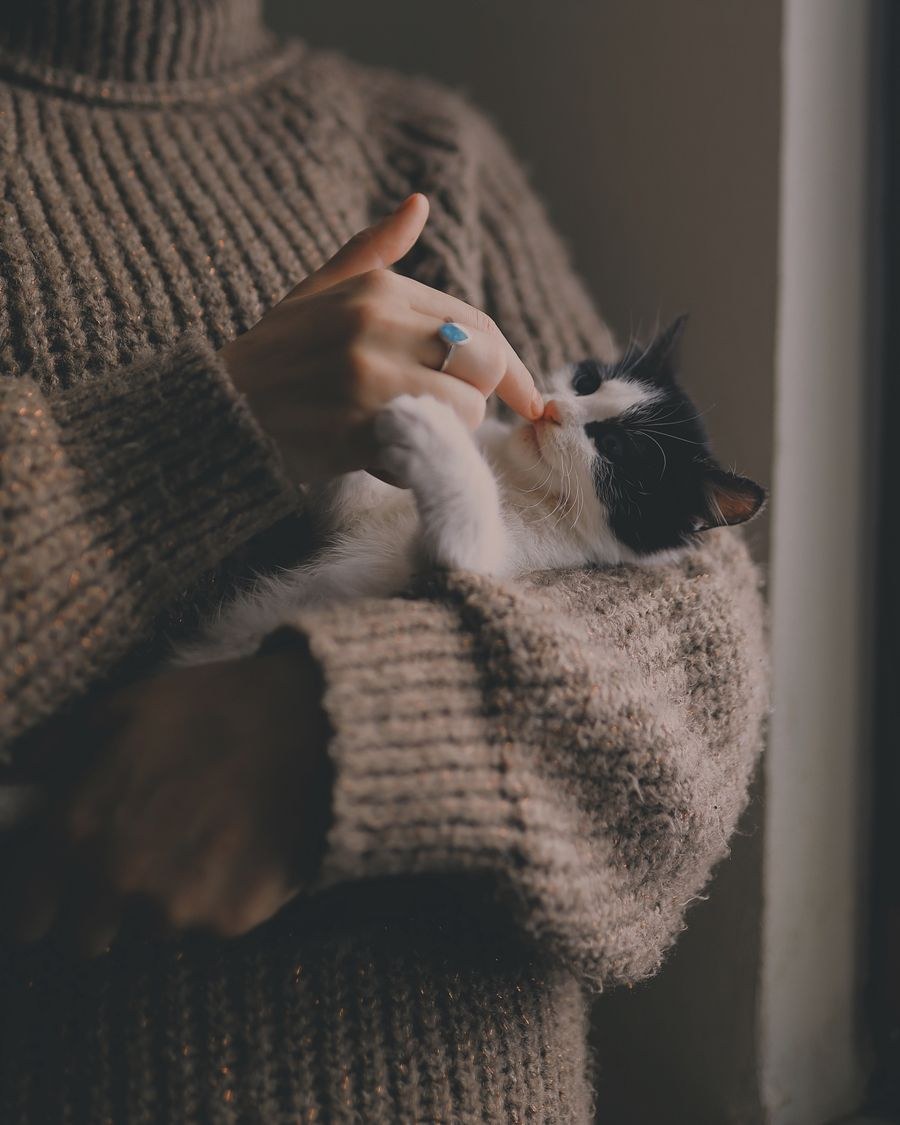
A black and white cat cradled in the arm of someone in a knitted sweater, reaching up to touch their hand

A parvovirus vaccine costs a small fraction of treating parvo, which can mean days of hospitalization and is frequently fatal without it.

Noticing a cat's weight creeping up lets us step in before it becomes diabetes and the daily insulin that comes with it.

Finding a lump while it's small usually means a straightforward removal instead of a bigger procedure or a cancer that has already spread.

Catching dental disease early means a routine cleaning rather than painful bone loss and multiple extractions later.

A baseline set of lab values on a healthy pet is what turns a worrying number, years from now, into a trend we can actually interpret.

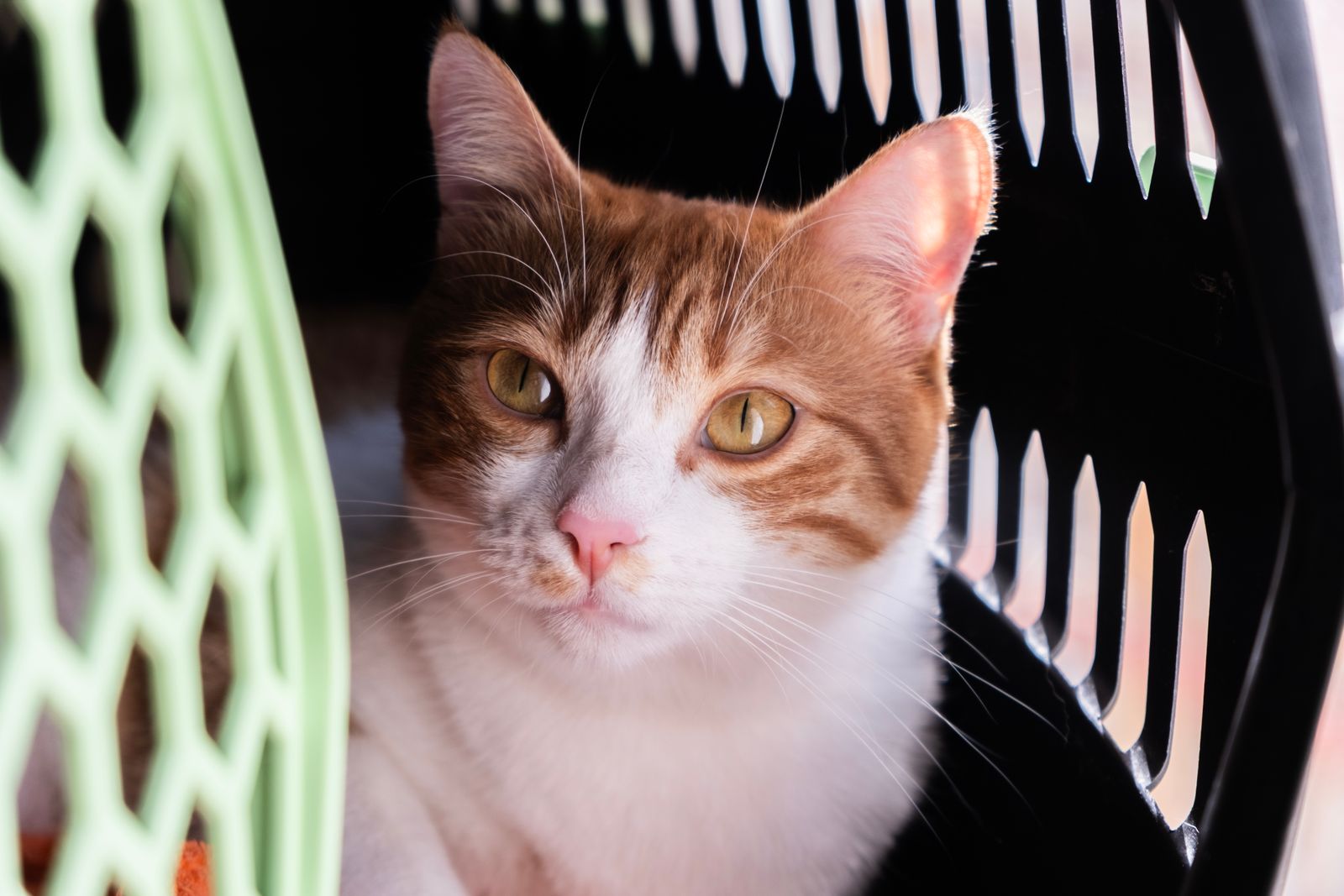
A ginger and white cat sitting calmly just inside the open door of a pet carrier

Keeping visits calm

A frightened pet doesn't get a good exam, and a stressful visit makes the next one harder.

We keep the schedule light partly for this reason. By the time a pet is an adult, most of them have opinions about the vet, and we'd rather work around those than through them. That might mean starting on the floor, feeding them great treats, or doing things in whatever order keeps your pet settled. If your pet does better with anti-anxiety medication before they walk through the door, ask us and we'll sort that out ahead of the appointment.

One of the most common things new clients tell us is that their animal struggles at the vet. Most of what we do about it comes down to time: a slower appointment, fewer hands on your pet at once, and no reason to rush a cat who needs a few minutes to come out of the carrier on her own.

What wellness care costs

Here is what to expect; these prices are current as of August 2026, but may change. You can always ask us for an estimate and we're happy to help. What your pet actually needs will depend on their history, breed risks, travel plans, and lifestyle.

A comprehensive physical exam is $93.

That covers the full physical, the review of your pet's history and weight trend, and the conversation about anything you have noticed at home.

Vaccines run $41 to $51 each,

depending on which ones your pet is due for.

Yearly heartworm and intestinal parasite check is $172 for both tests.

This is a blood test to check for heartworm disease and a fecal test; we may recommend different testing if your pet is at risk for giardia or tick-borne diseases.

Annual bloodwork costs are around $215,

which includes a complete blood count, chemistry panel, and thyroid test. Some pets may need a smaller panel, while others may also need additional testing like a urinalysis or complete thyroid panel.

Spay and neuter is priced by species and size,

because the anesthesia and the surgery both scale with the animal. Medications and surgical time vary between each pet. Some situations add to the cost: a female in heat or pregnant, an undescended testicle, or a spay done later in life all take more time and carry more risk. You can find more details about pricing on our spay and neuter page.

Nothing happens without you knowing the cost first. If a recommendation does not fit your budget right now, say so. We will tell you what is urgent, what can wait, and what the tradeoff is.

Good questions

Frequently asked questions

Because pets hide illness well, cats especially, and many conditions cause no visible signs until they're well along. A wellness exam and routine bloodwork catch the early, invisible changes, like a small lump, dental disease, early kidney or thyroid shifts, or gradual weight gain while they're still easy to address. "Everything looks good" is the goal, not a wasted visit.

A full nose-to-tail physical: heart and lungs, abdomen, joints and muscle, eyes, ears, skin and coat, and a look in the mouth, where a lot of the real findings turn up. We weigh your pet and compare it against the last visit, review vaccines and parasite prevention, and recommend bloodwork based on age and history. The other half of the appointment is the conversation, about behavior, diet, and anything you've noticed at home.

We recommend twice a year for most pets. Puppies and kittens come in more often during their first-year series, and senior pets benefit most of all from twice-yearly visits, because a great deal can change in a year at that stage of life.

Yes, and it's most valuable exactly when nothing seems wrong. Baseline values tell us what's normal for your individual pet, so that when something moves later, we notice it sooner and have something to compare it against.

Yes. Indoor pets still age, gain weight, develop dental disease, and hide illness like everyone else. They're not fully protected from parasites either, since fleas come inside on other animals and on people. The plan looks different for an indoor-only pet, and we'll build it around their actual risk rather than a default.

Not necessarily. Core vaccines protect against diseases severe and common enough that we recommend them for every pet. Beyond those, we match the plan to your pet's life, and you're part of that decision. If you've skipped something in the past, you won't get a lecture about it.

We'd rather you didn't. A year is a long stretch for a pet, health can change quickly, and skipping visits means losing the baseline that makes early detection possible. For senior pets in particular, we recommend seeing them more often rather than less.

For some vaccines, yes. If they have a history of vaccine reactions or medical problems that a vaccine might affect, we can talk about it. Washington law requires rabies vaccination on a set schedule regardless of what a titer shows.

Tell us before the appointment. We can plan a slower visit, examine your cat in their carrier, or send anti-anxiety medication home to give beforehand. The goal is a pet who doesn't dread coming to see us, and that's worth building toward over several visits.

Ready when you are

Ready to book your pet's checkup?

Clifton Hollow Animal Hospital is a veterinarian-owned practice providing wellness and preventive care for dogs and cats in Poulsbo and across the Kitsap Peninsula, including Silverdale, Bainbridge Island, Kingston, and Bremerton. Whether your pet is due for a checkup or you're starting fresh with a new puppy or kitten, we'd love to meet them.

Your first visit comes with our BOLD Guarantee: if it doesn't exceed your expectations, we won't charge you for it.