
Puppy and Kitten Care in Poulsbo
You adopted a new puppy or kitten, and somewhere in the excitement is a real question: how soon do they need a vet visit?
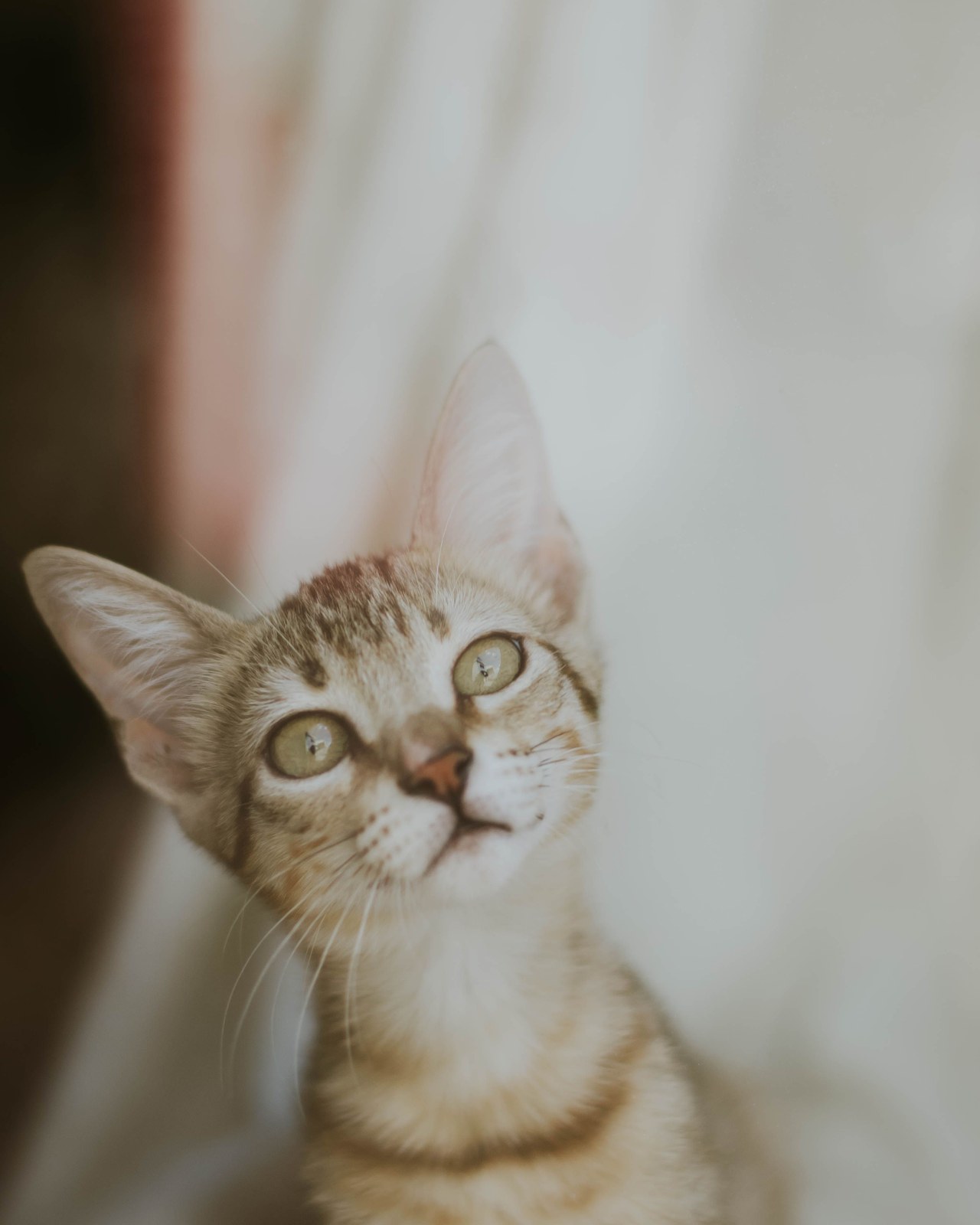
The first year is mostly about two things: building protection against the diseases and parasites that are actually dangerous to a young animal, and setting habits that make the next decade easier for both of you.
Your first visit
Bring your puppy or kitten in within the first week of coming home, and any paperwork showing whatever the breeder, shelter, or rescue has already done. We’ll read it and pick up where they left off, rather than starting the series over.
That first appointment is a full physical exam: heart and lungs, eyes and ears, teeth and bite, belly, joints, and a check for the things that are common in young animals and easy to miss, like an umbilical hernia, retained baby teeth, or a heart murmur that needs watching. We’ll weigh them, talk about what and how much you’re feeding, and answer whatever questions you have, big or small.
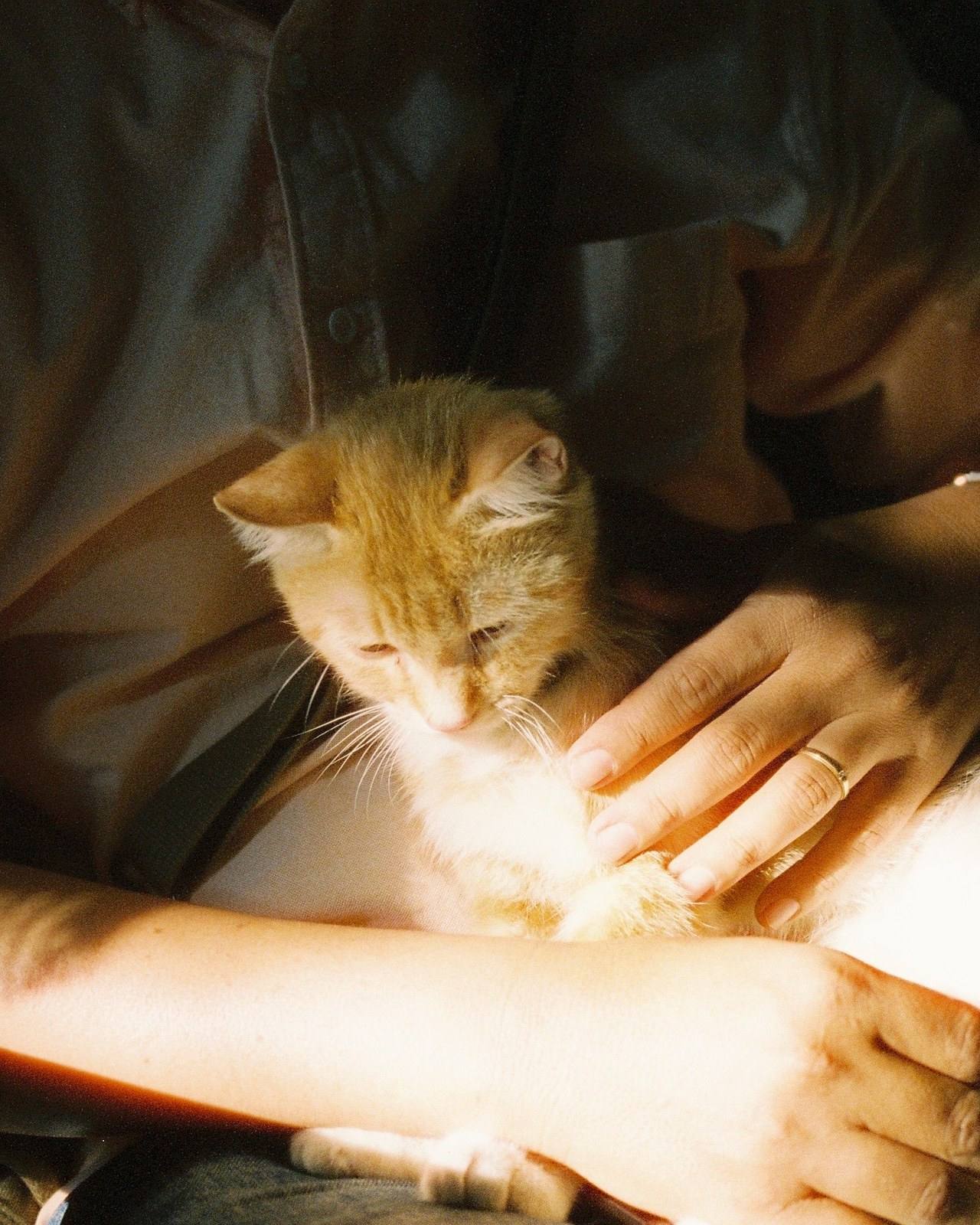
The first-year visit schedule
Puppies and kittens are born with some protection from their mother, called maternal antibodies, and that protection fades at different ages for every pet. That’s why the early vaccines come as a series rather than a single shot. Each one covers the window where they’re losing their mother’s protection and their own immune system is maturing.
In practice that means visits every three to four weeks, starting around six to eight weeks old and continuing until at least sixteen weeks.
Puppies receive the combination vaccine covering distemper, adenovirus, parainfluenza, and parvovirus (DA2PP), repeated through the series; leptospirosis; and rabies toward the end of the series. The kennel cough (bordetella) vaccine is recommended for any puppy who will be social or go to boarding and grooming facilities.
Kittens receive the combination vaccine covering rhinotracheitis, calicivirus, and panleukopenia (FVRCP), repeated through the series; feline leukemia (FeLV), which is recommended for every kitten regardless of whether they will go outside; and rabies. New kittens are also tested for FeLV when appropriate, so we know their status from the start. We’ll reassess the feline leukemia vaccine when your cat is an adult, when it becomes a question of lifestyle.
A typical vaccine schedule looks like this, but we’ll personalize it to your pet:
| Age | Puppies | Kittens |
|---|---|---|
| 6–8 weeks | DA2PP | FVRCP |
| 10–12 weeks | DA2PP, Leptospirosis, Bordetella | FVRCP, FeLV |
| 14–16 weeks | DA2PP, Leptospirosis, Rabies | FVRCP, FeLV, Rabies |
| 18–20 weeks | A final DA2PP if needed, so the last dose lands at or after 16 weeks | A final FVRCP if needed, so the last dose lands at or after 16 weeks |
Bordetella is recommended based on how your puppy will actually live, so your schedule may look a little different from this one.
Most puppies and kittens have intestinal parasites, and most of them got them from their mother, either before birth or through nursing. Roundworms and hookworms are the usual culprits. A puppy with a heavy worm burden may have a dull coat, a pot-bellied look, poor weight gain, or diarrhea, but plenty of infected young animals look perfectly healthy, which is exactly why we don’t wait for symptoms.
Deworming is repeated across several visits, because a single dose kills the worms present that day and not the ones still developing. We also check a stool sample. A fecal test tells us exactly which parasites are there, including giardia and coccidia, both of which are common here and both of which cause diarrhea. Our wet climate and standing water make giardia a regular finding on the peninsula. Once we’ve dewormed your puppy or kitten, we’ll check the fecal sample again to make sure we cleared out all the parasites.
There’s a human side to this, too. Roundworms, hookworms, and giardia are zoonotic, meaning they can infect people, and children are the most vulnerable because of how they play and how often hands end up near mouths. Treating a puppy or kitten’s worms protects the whole household.
The first year is also when regular heartworm, flea, and tick prevention starts. We’ll help you find the right option based on the adventures you plan on taking with your pet. A puppy who will be your hiking buddy will have different recommendations from an indoor-only kitten, and every plan is personalized.
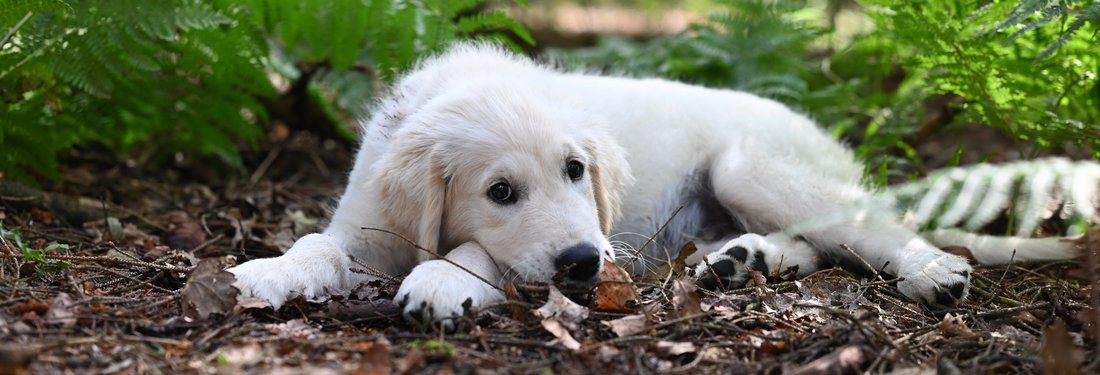
Beyond the shots
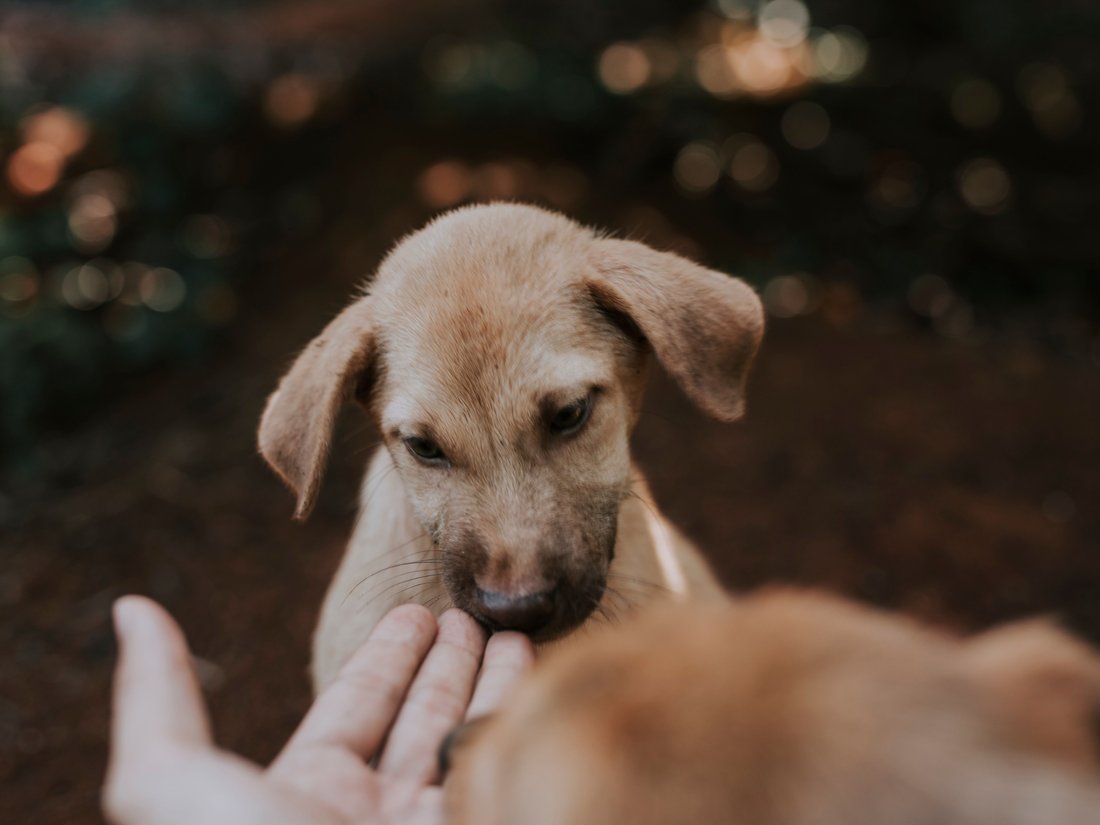
Socialization and handling.
The window when a puppy or kitten learns that the world is a safe place is short, and it closes earlier than most people expect. We’ll talk about how to introduce new people, surfaces, sounds, and animals during that window without overwhelming them. Just as usefully, we’ll show you how to handle your pet’s feet, ears, and mouth at home, known as cooperative care training, so that nail trims, toothbrushing, and exams aren’t a fight for the next fifteen years.

Behavior questions, early.
Biting, chewing, house training, litter box misses, a kitten who attacks your ankles at midnight. These are normal, they’re worth asking about, and most of them are easier to solve at four months than at fourteen.
Breed-specific recommendations.
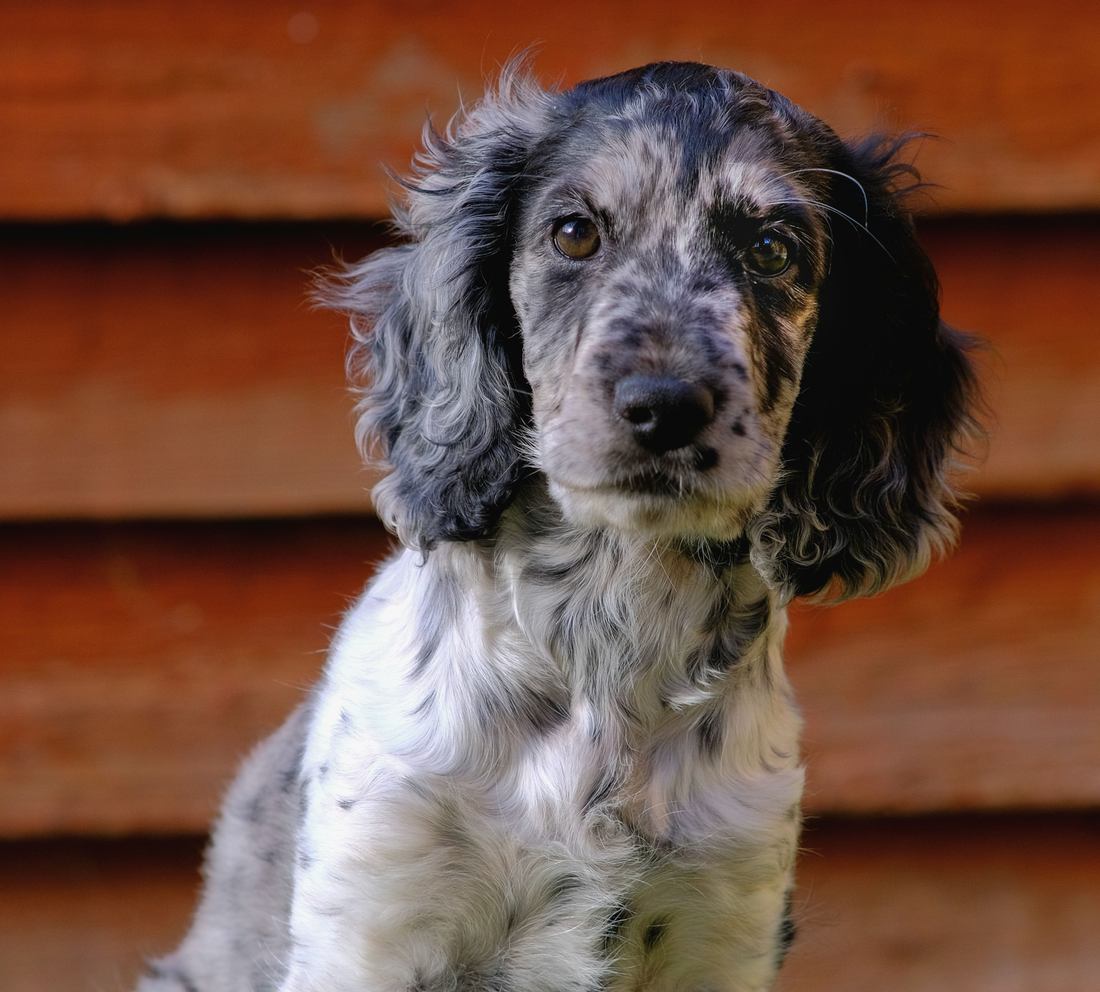
Some of what we watch for depends on what you brought home. Flat-faced breeds are prone to breathing trouble, floppy-eared breeds to ear infections, breeds with loose facial skin to eyelid problems, and toy breeds to crowded teeth and early dental disease. We’ll tell you what’s worth watching in your pet and build the plan around it.
Dental care at home.
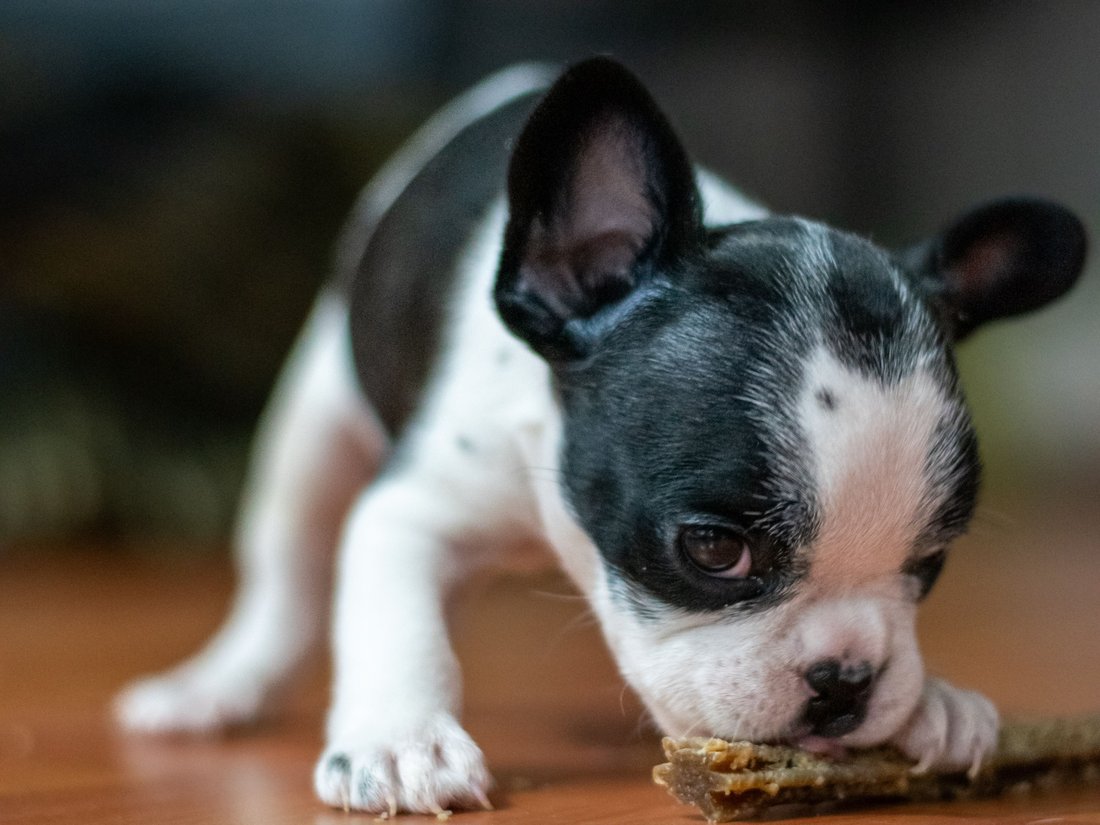
The single most useful habit you can build this year is toothbrushing, and it’s far easier to teach a puppy or kitten to accept it than an adult. Start now and you may avoid a good deal of dental disease later.
Nutrition and growth.
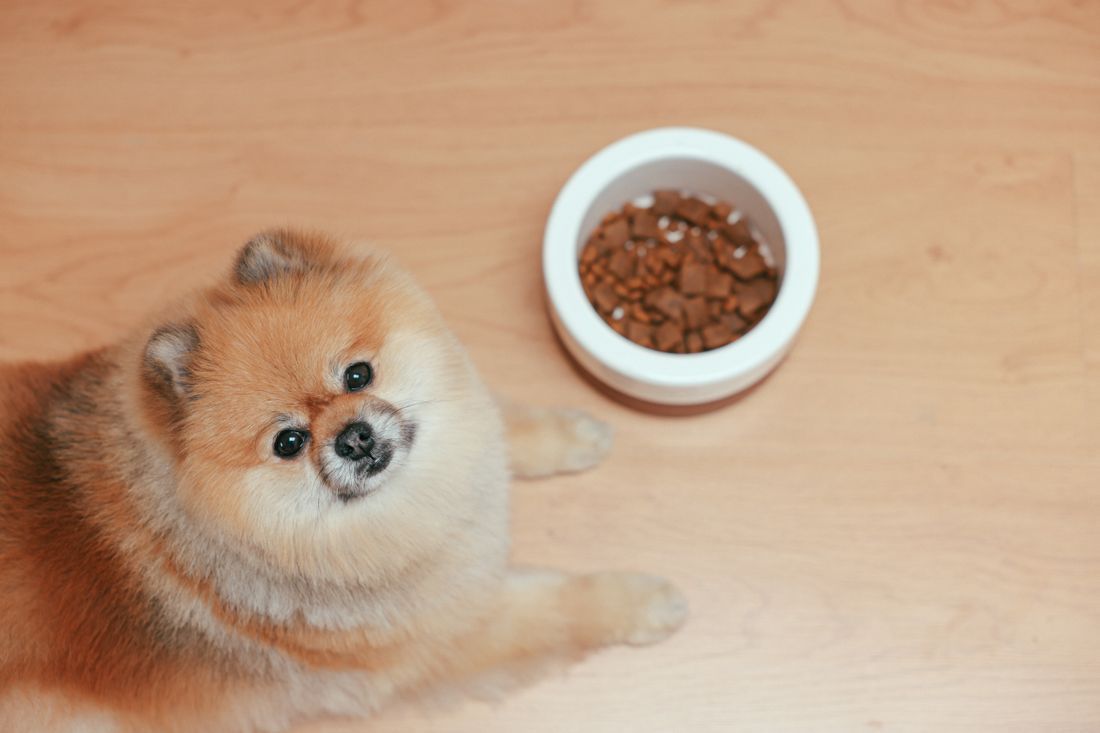
What to feed, how much, and when to change it. Large-breed puppies in particular need a diet formulated for controlled growth, because growing too fast is its own orthopedic risk.
Spay, neuter, and microchipping.
Timing is a real conversation rather than a fixed date. The right age depends on species, breed, and expected adult size, and we’ll talk it through during the first year so you can plan. Microchipping most often happens while your pet is already under anesthesia for their spay or neuter, though we can do it at a regular visit anytime. A collar comes off, a microchip does not.
Pet insurance.
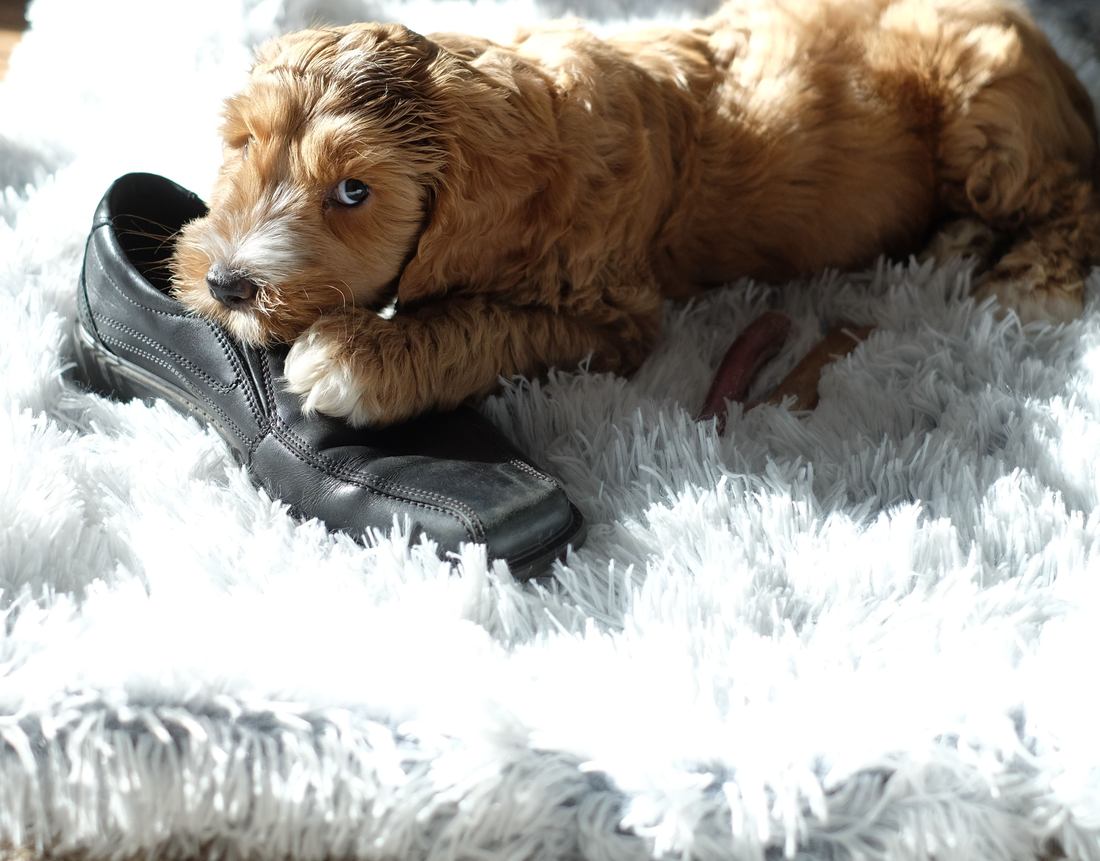
The first year is the easiest time to start pet insurance, before anything has had a chance to become a pre-existing condition. One eaten sock, a hard tumble during play, or a scuffle at the dog park can run into thousands of dollars in surgical costs that could be covered.
When to call us right away
Young animals get sick faster than grown ones, and they have less reserve when they do. A puppy with parvovirus or a kitten with an upper respiratory infection can go from a little off to seriously unwell in a day.
Don’t wait it out. If your young pet isn’t eating, is vomiting repeatedly, has diarrhea that isn’t resolving, seems weak or unusually quiet, or is having trouble breathing, call us the same day. We keep room in the schedule for the days that don’t go as planned, and calling before 11am gives us the best chance of getting you in.
Nights and weekends, head straight to:
Animal Emergency and Specialty Center (AESC)
Open 24 hours, every day
980 NW Reliance Street, Poulsbo, WA 98370
VCA Central Kitsap Animal Hospital
7 days a week, 7:00am – 7:00pm
2238 NW Bucklin Hill Rd Suite 100, Silverdale, WA 98383
Getting them comfortable here from the start
A young animal’s early visits shape how they feel about the vet for the rest of their life, which is a good argument for not rushing them.
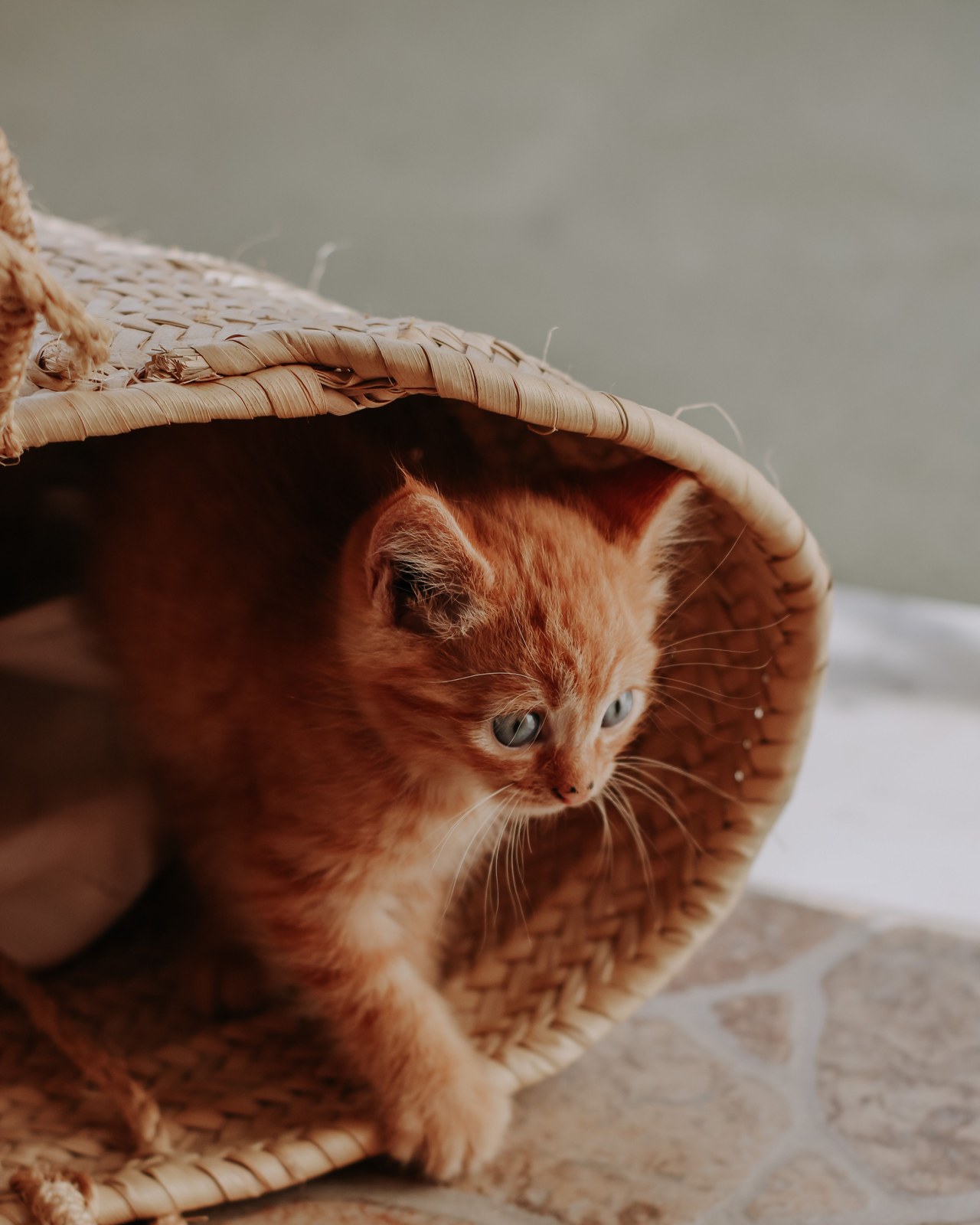
We keep the schedule light, so there’s time to let a puppy explore the room and take treats before anyone does anything clinical, and time to let a kitten come out of the carrier on their own terms. If your kitten is happier being examined in the carrier, that’s where we’ll examine them.
What the first year costs
The first few months can feel like one of the most expensive times in a pet’s life, but the costs are small compared to treating one of the diseases we’re preventing with this care. These prices are current as of August 2026, and we’re always happy to give you an estimate first.
Exams are $93,
plus whatever is due that day. The exam includes a full physical, weight check, and time with our veterinary team to have all your questions answered.
Vaccines are $41 to $51 apiece,
so a visit with two or three of them lands in a predictable range rather than a surprising one.
Deworming is about $33 per treatment
for routine parasites. If your pet has a parasite not covered by our standard dewormer, like giardia, the costs will vary by weight and medication needed.
Fecal tests range around $110–$170,
depending on your pet’s symptoms and history. We’ll recommend the right test for your individual puppy or kitten.
A microchip with lifetime registration is $62.
We’ll check it periodically at future visits to make sure it’s working normally and help you register it properly.
The actual price for your pet’s visit will depend on what exact vaccines, testing, and dewormer they need. You will never get a bill with something on it we did not talk about first.
Frequently asked questions
Within the first week of bringing them home. Bring any paperwork from the breeder, shelter, or rescue, and we’ll continue the series from where it stands rather than restarting it.
Usually three or four visits spaced three to four weeks apart, starting around six to eight weeks and finishing after sixteen weeks, then a visit later in the year for spay or neuter and a check-in as they finish growing. The schedule front-loads protection during the months when your pet is most vulnerable.
Because the protection a puppy gets from their mother fades at an unpredictable time, and while it’s still present it can block a vaccine from working. Repeating the vaccine every three to four weeks makes sure that once maternal protection fades, there’s a dose that takes hold. Stopping the series early is what leaves a gap.
Not to the places where unvaccinated dogs have been. Parvovirus survives in soil and on surfaces for months, so dog parks, pet store floors, and heavily used trails are worth avoiding until about a week after the final round. That doesn’t mean keeping your puppy home, though, because the socialization window is open during those same weeks. Carry them into new places, invite healthy vaccinated adult dogs over, and look for a puppy class that requires proof of vaccination and cleans between sessions.
Usually yes. Deworming kills the parasites present that day, not the ones still developing, which is why it’s repeated across the first-year visits. Bring the breeder’s records and we’ll pick up from there rather than starting over.
Roundworms, giardia, and hookworms can infect people, and young children are the most at risk. It’s a good reason to complete the deworming schedule, keep up with monthly prevention, and be diligent about handwashing after play and about cleaning up the yard.
For the kitten series, yes. It’s recommended for every kitten, because a young cat’s living situation frequently changes and indoor-only intentions don’t always survive an open door. Once your cat is an adult, we’ll reassess based on how she actually lives.
It depends on species, breed, and adult size. For large-breed dogs there are joint-development reasons to wait. We’ll talk it through during the first year and recommend timing for your specific pet rather than a blanket age.
Handle them at home, on purpose and often. Touch their feet, look in their ears, lift their lips and touch their teeth, all while they’re relaxed and getting a treat. A pet who learned early that being handled results in good things, like snacks and snuggles, is far easier to care for at every stage of life.

Ready to get started?
Clifton Hollow Animal Hospital provides puppy and kitten care for families in Poulsbo, Silverdale, Bainbridge Island, Kingston, Bremerton, and across the Kitsap Peninsula. Bring us your new arrival and their paperwork, and we’ll build the first year around them.
Your first visit comes with our BOLD Guarantee: if it doesn’t exceed your expectations, we won’t charge you for it.